
My interests center on ecological systems, habitat conservation, and the ways landscapes function as both environmental and cultural systems. I am particularly drawn to approaches that make ecological processes visible and understandable, fostering environmental stewardship while addressing challenges such as climate change, biodiversity loss, and urbanization.
My background in visual communication, design, and public art has shaped my interest in the ways environmental knowledge can be communicated through place, experience, and storytelling. Through Environmental Studies at the University of Waterloo, I hope to further develop skills in environmental research, ecological analysis, sustainability, and interdisciplinary problem-solving. Ultimately, I aim to contribute to projects and research that bridge ecological function, environmental education, and human experience, helping to create more resilient, inclusive, and ecologically meaningful communities.

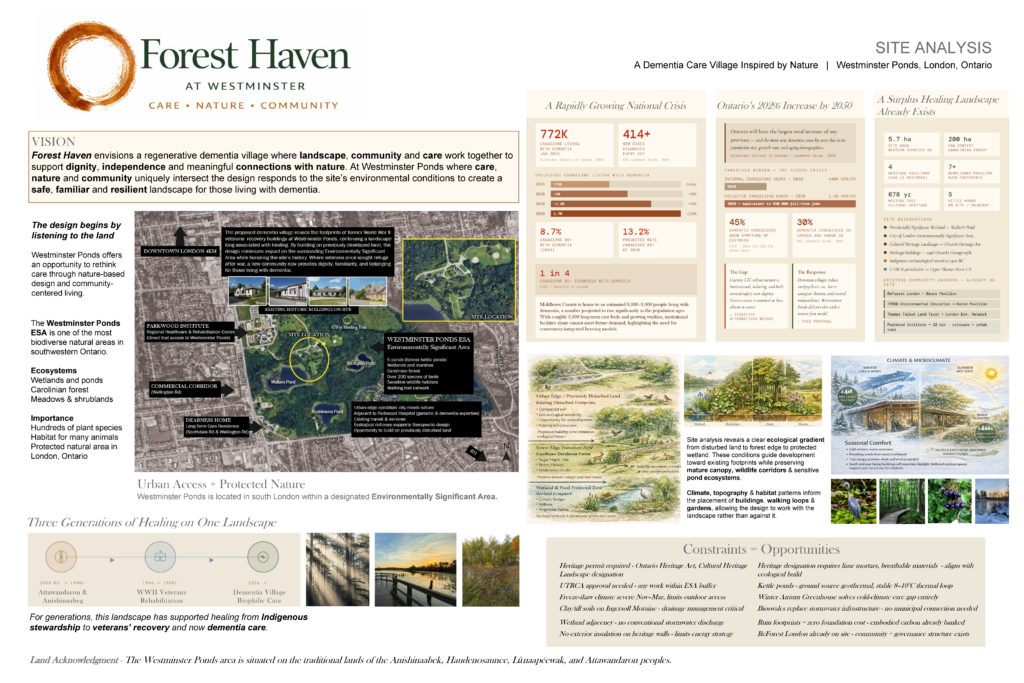
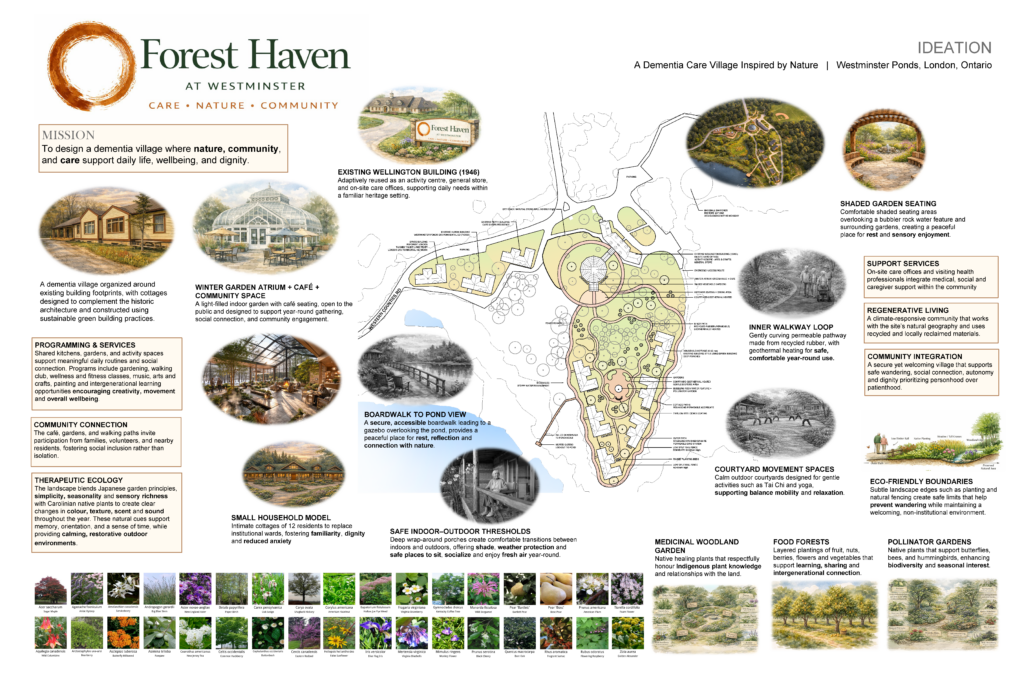
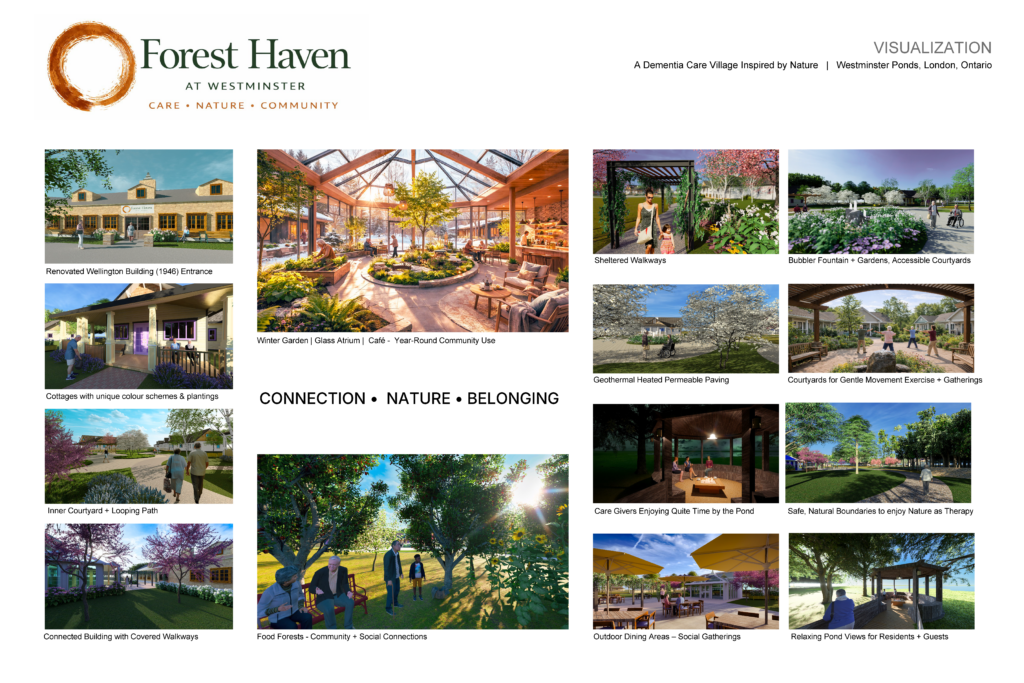
Forest Haven – Dementia Village Design
I had the opportunity to present at the 2026 Environmental Design Competition at Fanshawe College: Designing Dementia Friendly Villages.
I’m honoured that my project Forest Haven was awarded First Place.
Forest Haven is a nature-based design that supports dignity, independence, and wellbeing for people living with dementia. The concept integrates therapeutic landscapes, climate-responsive design strategies, and meaningful connections to nature. Key features include a food forest, sensory-rich planting, and restorative outdoor spaces that encourage gentle exploration and connection with the seasons.
Thank you to the organizers and adjudicators for the opportunity to share this work, and for supporting innovation in environmental design that enhances quality of life for aging populations.
The Komorebi Portal
CHELSEA FLOWER SHOW CONCEPT
A Sanctuary of Resilience and Biodiversity
Japanese minimalist philosophy + industrial upcycling
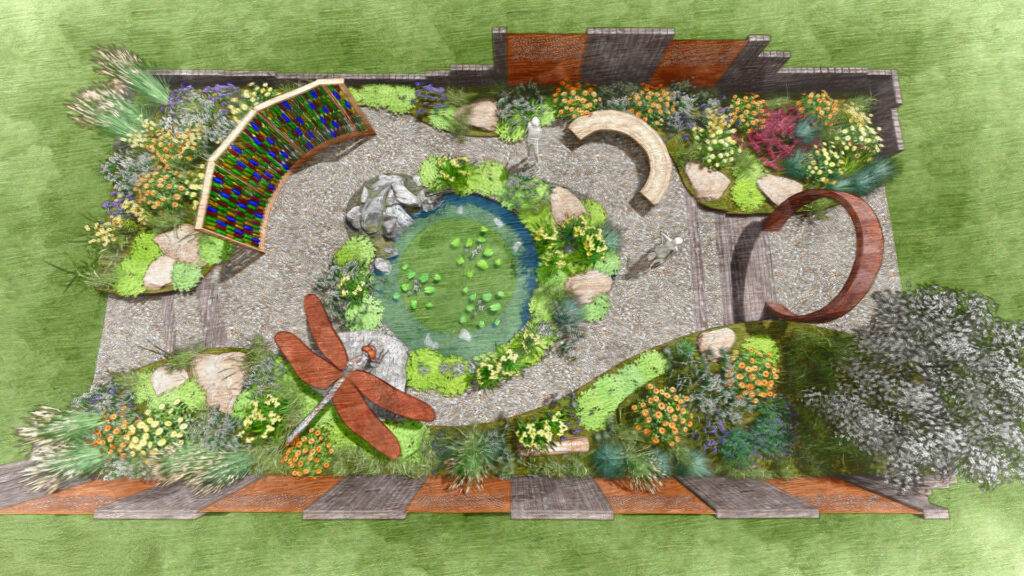
A multi-sensory therapeutic sanctuary designed for an urban environment. Its primary purpose is to provide a restorative “calming space” that fosters mental well-being while actively supporting local biodiversity. It functions as a safe haven where visitors can reconnect with nature’s rhythms, offering a quiet retreat from the sensory overload of city life. For wildlife, specifically the dragonfly, it serves as a complete lifecycle habitat, from aquatic nymph to aerial predator.
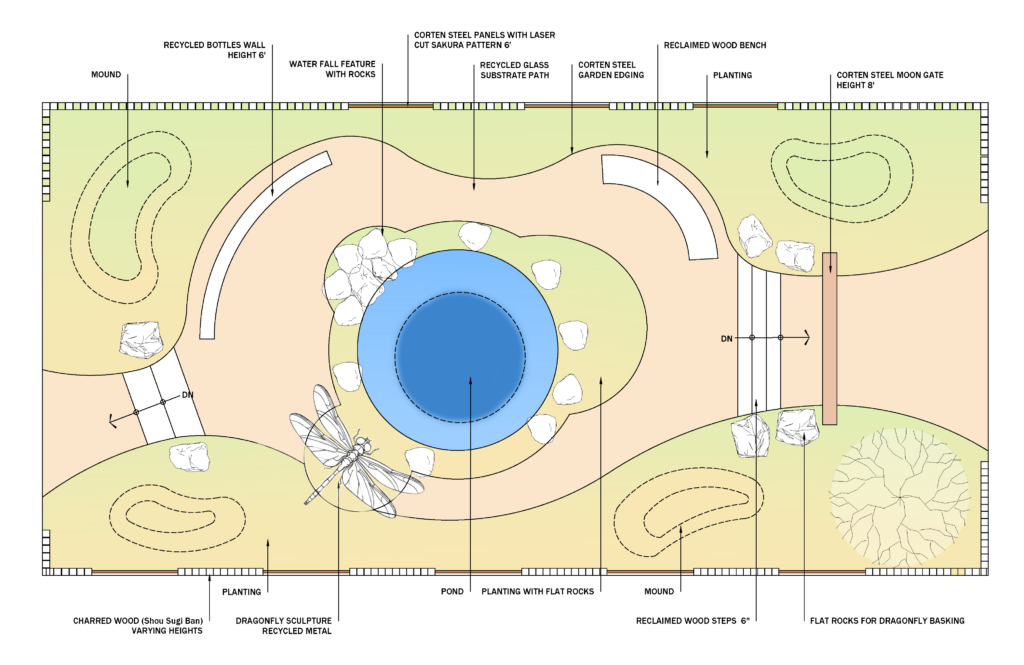
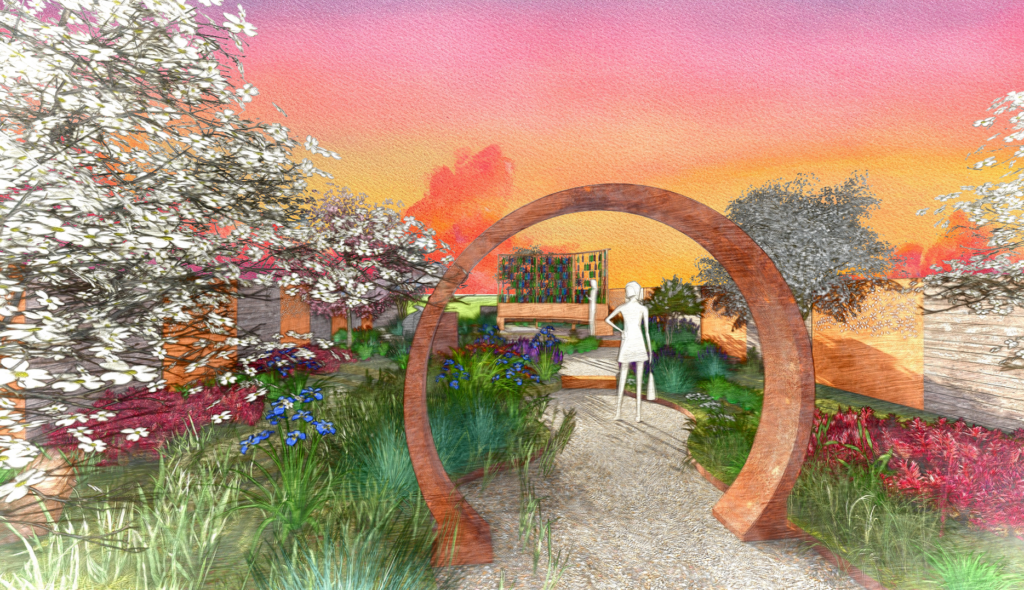
The Japanese concept of Komorebi – the dappled light filtering through trees – is the guiding aesthetic. This soft, shifting light is clinically proven to reduce stress and provides a gentle visual experience for neurodivergent visitors or those with chronic health conditions.
MODERN HOMESTEAD
Residential Design Project
Modern Homestead transforms a backyard into a regenerative sanctuary that blends contemporary family living with ecological restoration. Through native plantings, edible gardens, and natural materials, the design creates a sensory-rich landscape that balances recreation, food production, and wildlife habitat – demonstrating how residential spaces can be beautiful, functional, and ecologically restorative.
Residential design project built using Sketchup and rendered with Lumion.
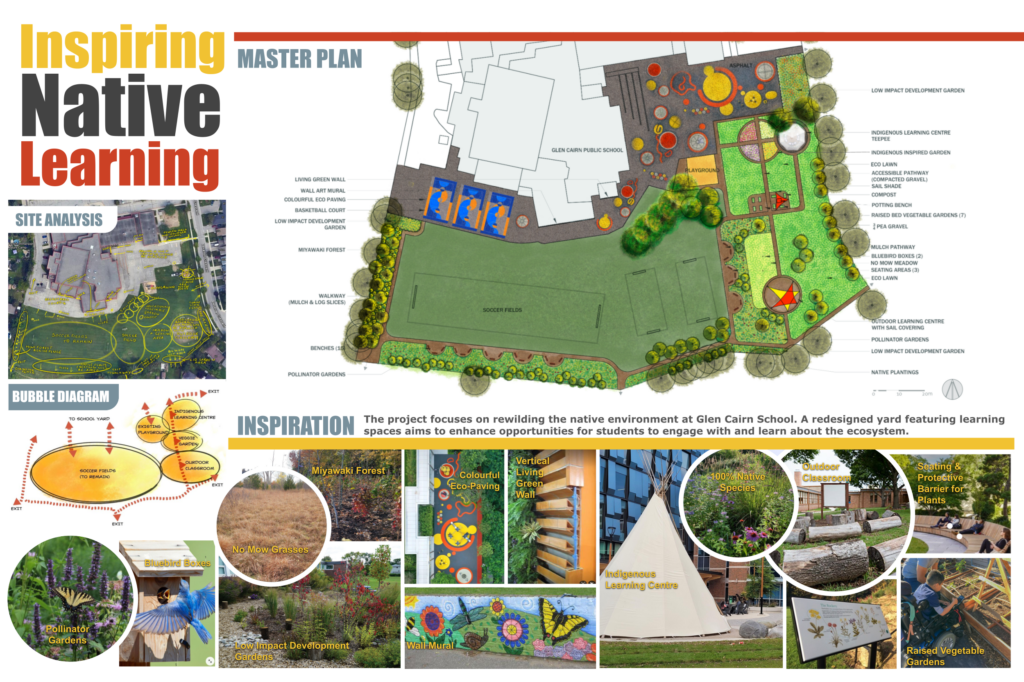
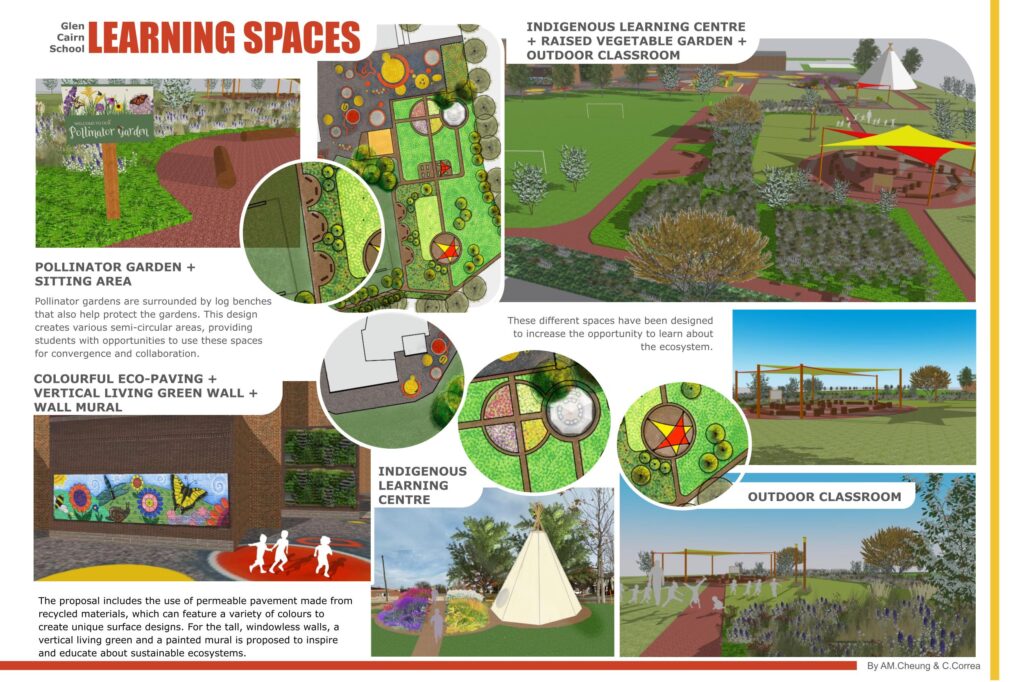
Inspiring Native Learning
Public School – Fanshawe College Student Project (partnered with C. Correa)
Project Goal & Objectives
The goal of this project was to develop a comprehensive landscape plan, accompanied by detailed illustrations, for a public school site. The design aimed to:
- Creatively transform the space to provide a unified and impactful experience for a diverse age group of users, while addressing key considerations such as children’s outdoor environments, accessibility, microclimates, and long-term maintenance.
- Respond to the client’s needs and the site’s potential with a focus on safety, environmental sensitivity, and thoughtful integration with the surrounding landscape.
- Implement fundamental design principles—such as accent, unity, balance, scale, and composition—along with planting design elements like texture, color, form, and scale.
- Prioritize sustainability throughout the design, ensuring that environmentally responsible practices are embedded in every aspect of the planning and decision-making process.

Software used: AutoCAD, Sketchbook Pro, SketchUp, Adobe Photoshop
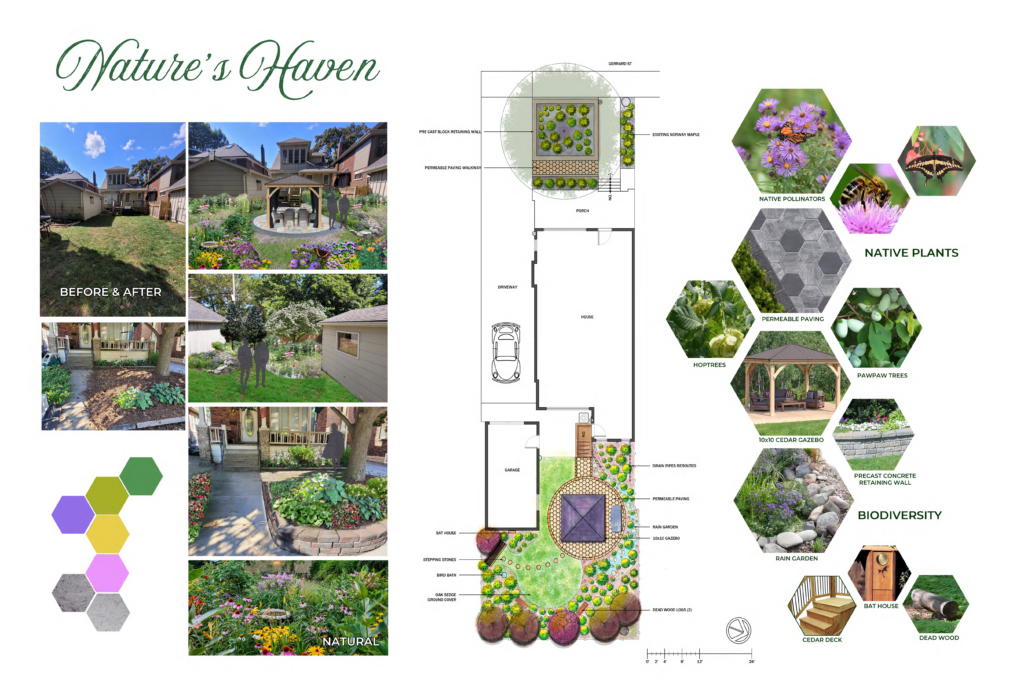
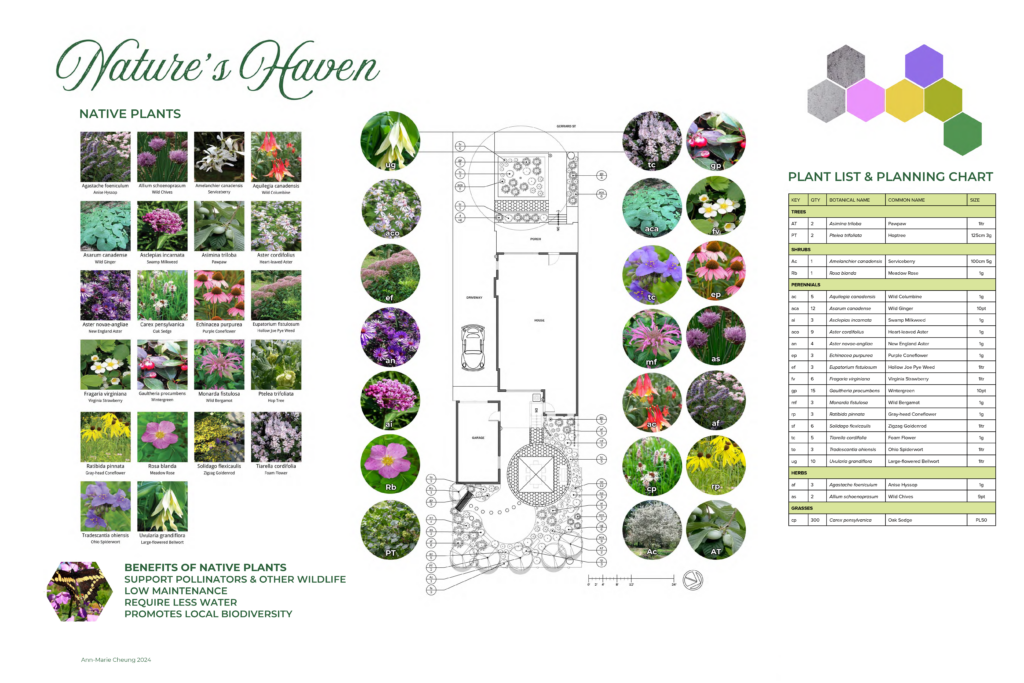
Nature’s Haven
Residential Site – Fanshawe College Student Project
Project Goal & Objectives:
The goal of this project was to create a comprehensive landscape plan and cost estimate for this residential site, along with supporting illustrations. The project focused on designing a plan that:
- Transformed the space creatively to provide a cohesive and lasting impact.
- Reflected sensitivity to the client’s needs, lifestyle, site potential, and environmental considerations.
- Effectively incorporated design principles such as accent, unity, balance, scale, and composition, as well as planting design principles including texture, color, scale, and form.
- Prioritized sustainable practices in all decision-making processes.
Software used: AutoCAD, Sketchbook Pro, Adobe Photoshop
Residential Design – Old East Village London
This project is a residential landscape design inspired by the character of the Old East Village heritage neighbourhood. A low-maintenance front yard and boulevard garden enhance curb appeal while respecting the eclectic streetscape. The backyard creates a private sanctuary organized into outdoor rooms for dining, gathering, and relaxation, supported by an expanded deck and hot tub space. Influenced by the English cottage garden style, the design emphasizes layered planting, seasonal interest, and a welcoming atmosphere.
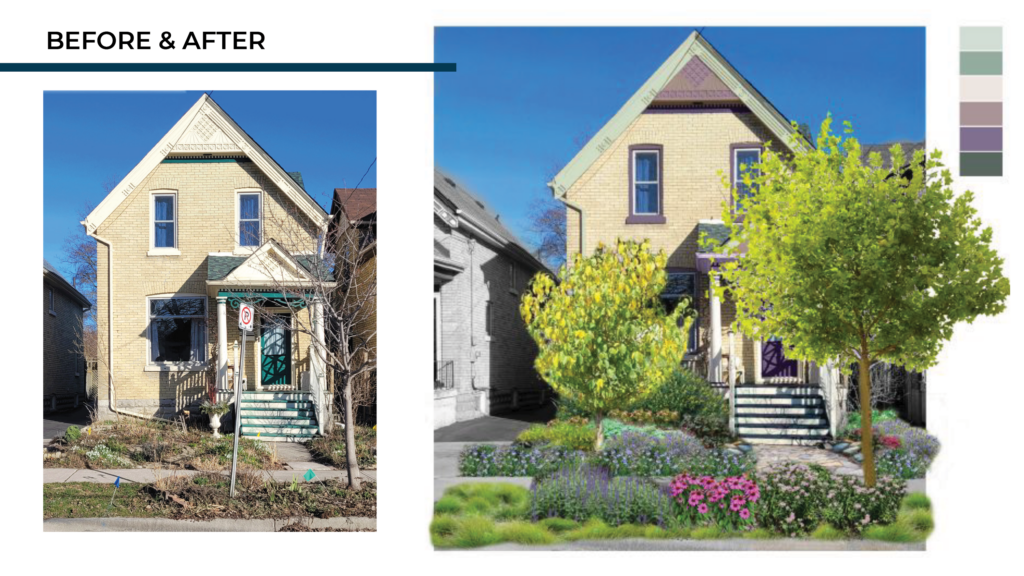
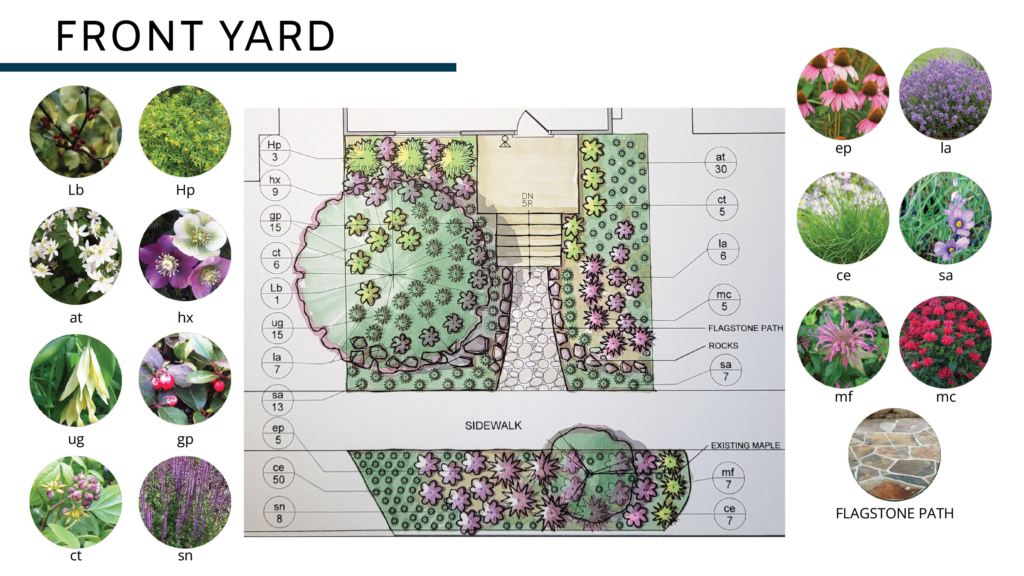
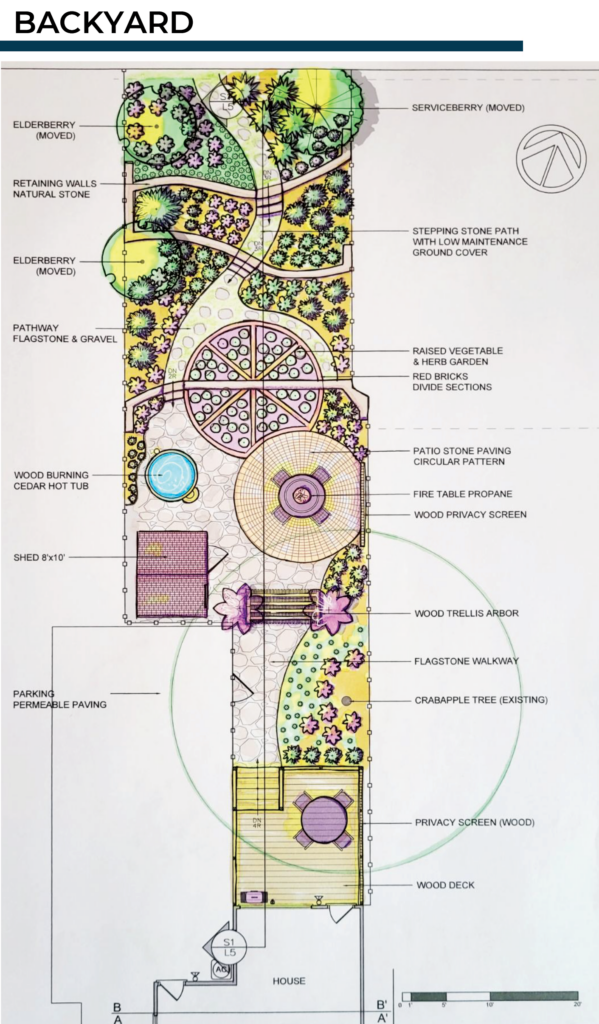
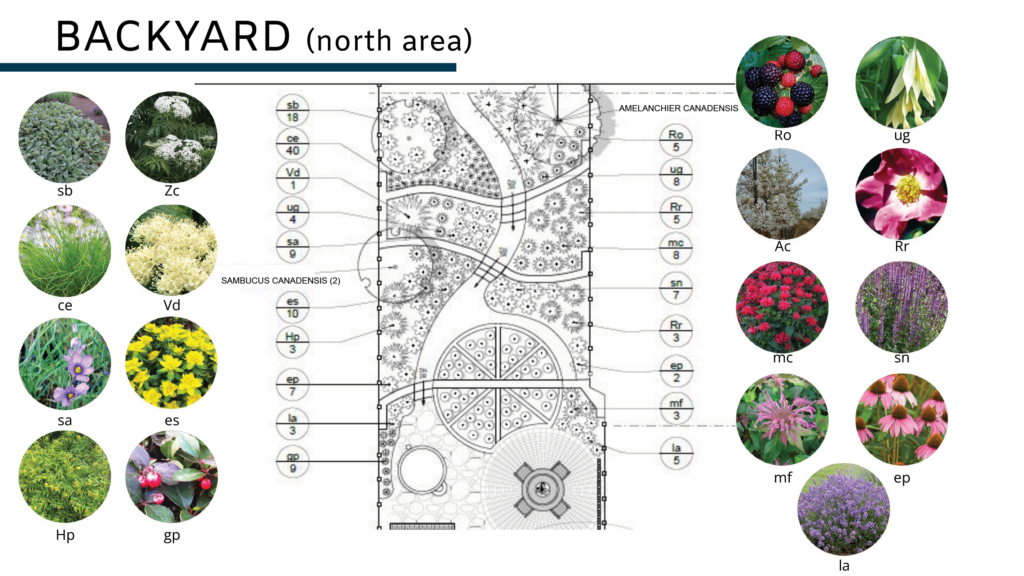
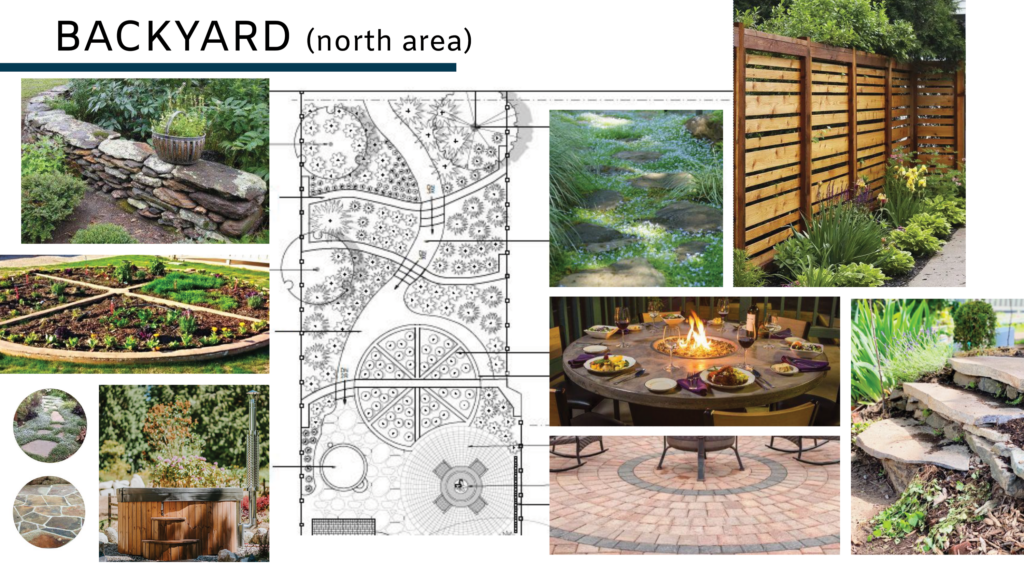
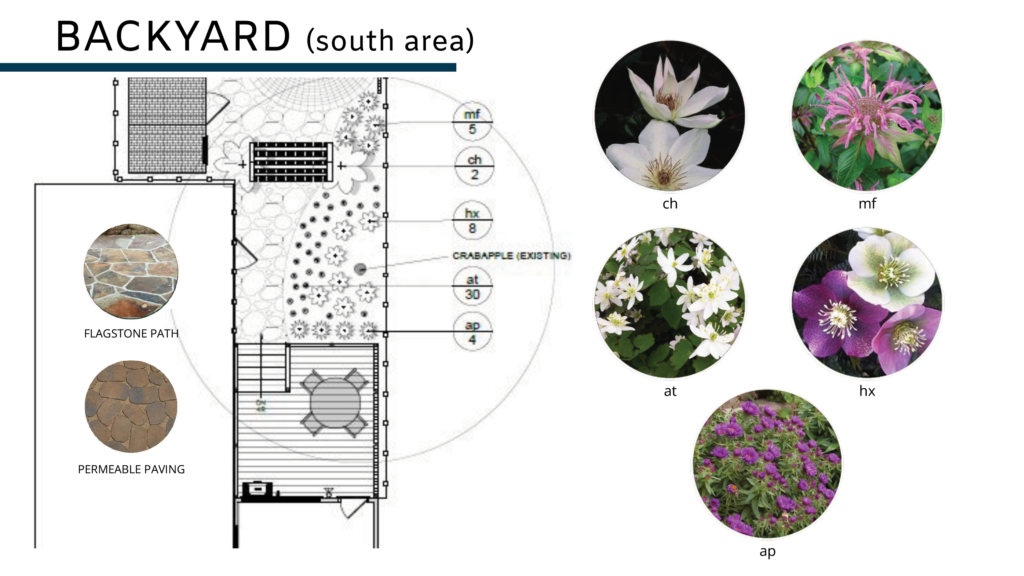

Software used: AutoCAD & Adobe Photoshop. Drawings were hand rendered.