My interests in landscape architecture center on ecological systems, habitat-driven design, and landscape as a cultural and educational medium. I am particularly drawn to approaches that make ecological processes visible within designed environments, fostering stewardship while responding to climate change, biodiversity loss, and urbanization.
I am especially interested in freshwater and wetland-adjacent landscapes, including stormwater systems, constructed wetlands, and riparian environments. Through independent research on indicator species, particularly dragonflies, I have explored how species-specific habitat requirements can inform planting design, spatial organization, and landscape performance. I am drawn to research that translates these ecological relationships into experiential public spaces that communicate environmental processes without relying on didactic interpretation.
My background in visual communication and public art has shaped my interest in landscape as a medium for storytelling, memory, and cultural meaning. At the University of Guelph, I hope to further develop skills in ecological analysis, research methods, and systems-based design through research-led studio work and interdisciplinary collaboration. Ultimately, I aim to contribute to landscape architecture that bridges ecological function and human experience through resilient, inclusive, and ecologically meaningful landscapes.
Residential design project built using Sketchup and rendered with Lumion.
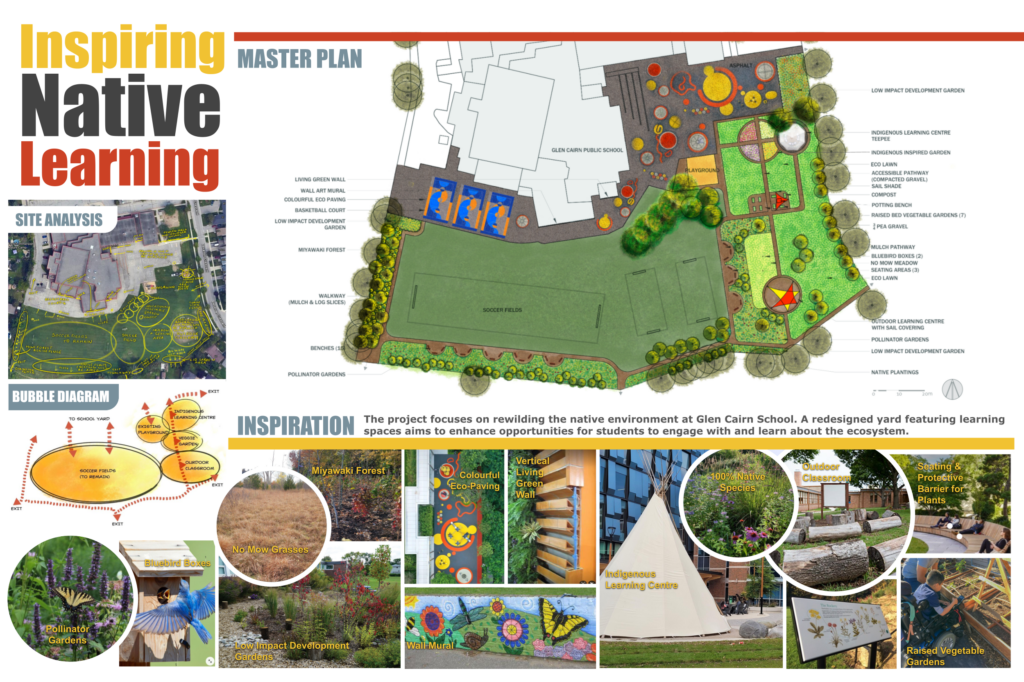
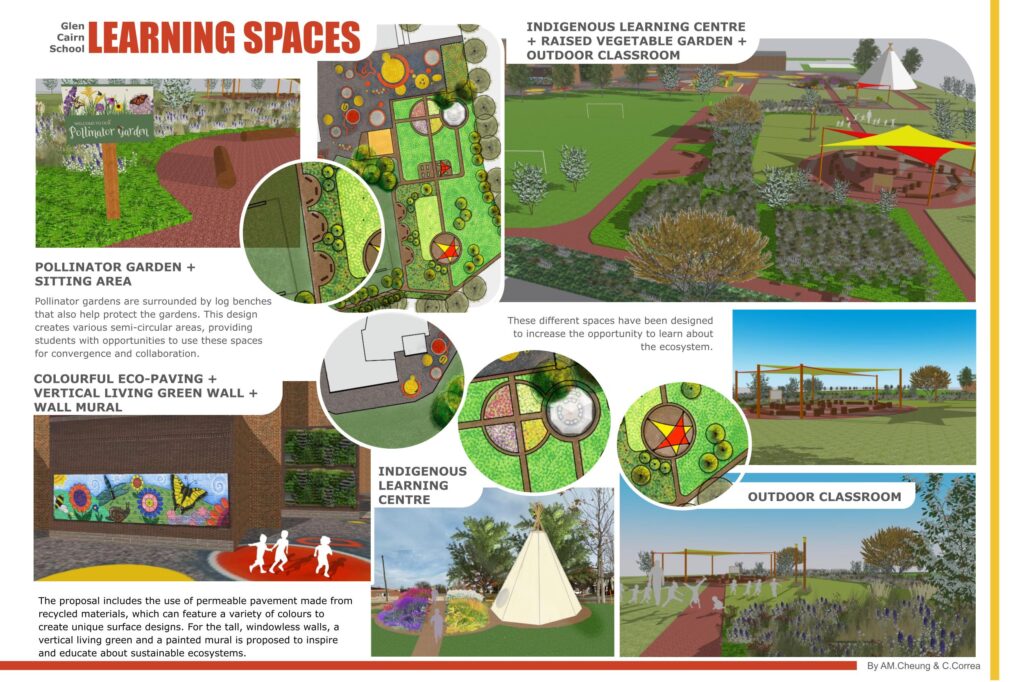
Inspiring Native Learning
Public School – Fanshawe College Student Project
Project Goal & Objectives
The goal of this project was to develop a comprehensive landscape plan, accompanied by detailed illustrations, for a public school site. The design aimed to:
- Creatively transform the space to provide a unified and impactful experience for a diverse age group of users, while addressing key considerations such as children’s outdoor environments, accessibility, microclimates, and long-term maintenance.
- Respond to the client’s needs and the site’s potential with a focus on safety, environmental sensitivity, and thoughtful integration with the surrounding landscape.
- Implement fundamental design principles—such as accent, unity, balance, scale, and composition—along with planting design elements like texture, color, form, and scale.
- Prioritize sustainability throughout the design, ensuring that environmentally responsible practices are embedded in every aspect of the planning and decision-making process.

Software used: AutoCAD, Sketchbook Pro, SketchUp, Adobe Photoshop
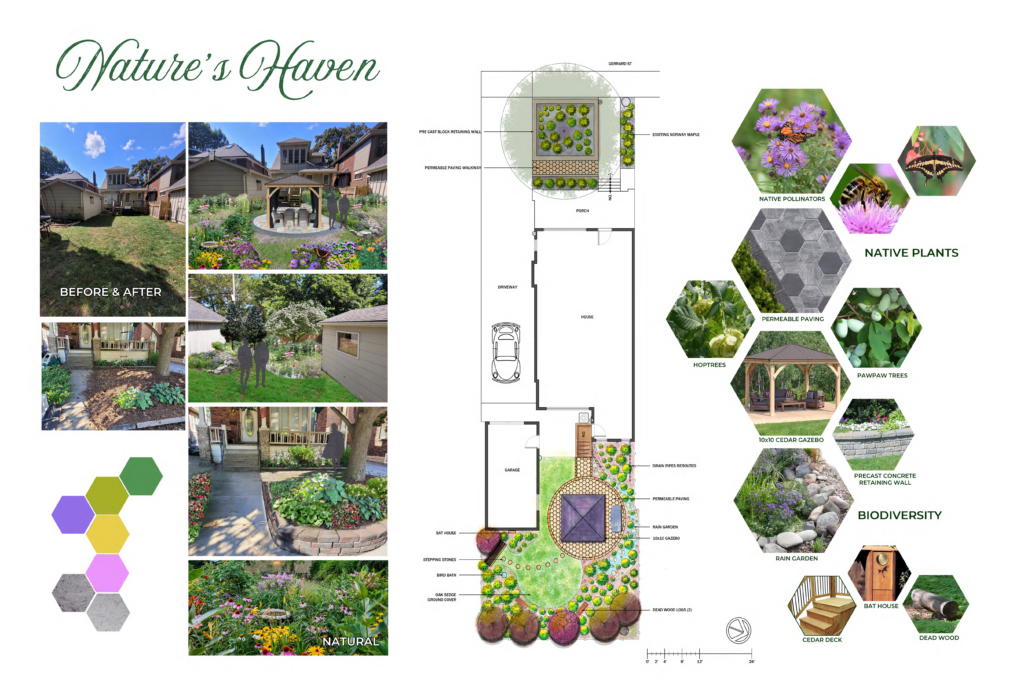
Nature’s Haven
Residential Site – Fanshawe College Student Project
Project Goal & Objectives:
The goal of this project was to create a comprehensive landscape plan and cost estimate for this residential site, along with supporting illustrations. The project focused on designing a plan that:
- Transformed the space creatively to provide a cohesive and lasting impact.
- Reflected sensitivity to the client’s needs, lifestyle, site potential, and environmental considerations.
- Effectively incorporated design principles such as accent, unity, balance, scale, and composition, as well as planting design principles including texture, color, scale, and form.
- Prioritized sustainable practices in all decision-making processes.
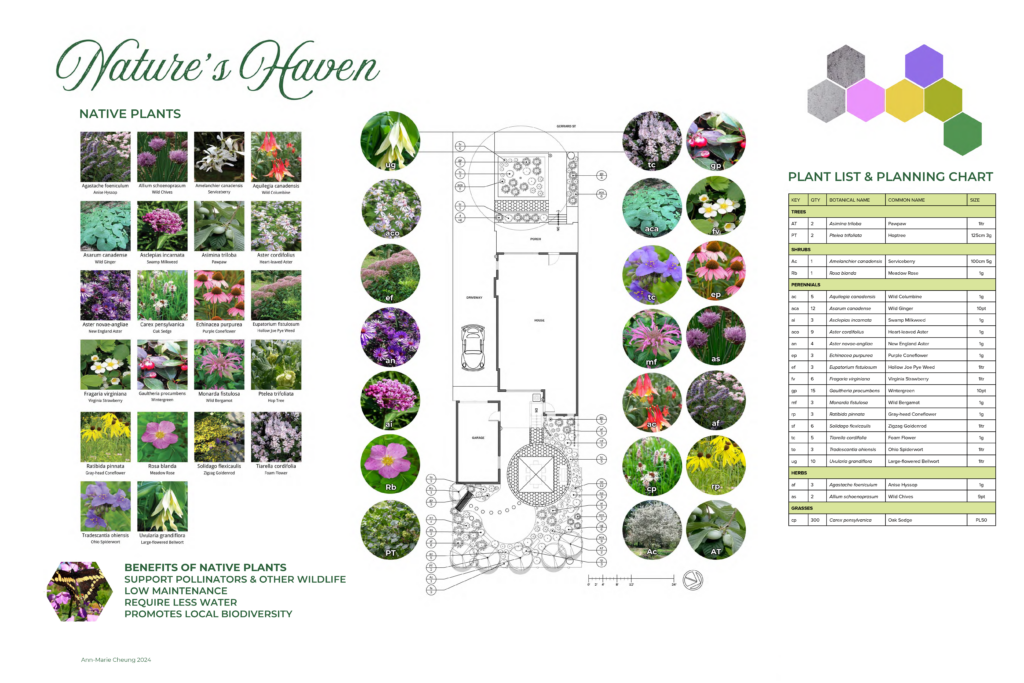
Software used: AutoCAD, Sketchbook Pro, Adobe Photoshop
Residential Design – Old East Village London
The project aimed to create a comprehensive residential landscape design, featuring a low-maintenance front yard garden and hell strip that complements the eclectic character of the heritage community. It also focused on designing a private backyard sanctuary in the Old East Village, incorporating multiple outdoor rooms, such as dining, BBQ, seating areas, and a small hot tub space, while expanding the back deck. Inspired by the English Cottage style, my design was chosen to reflect the community’s character and create a charming, welcoming atmosphere.
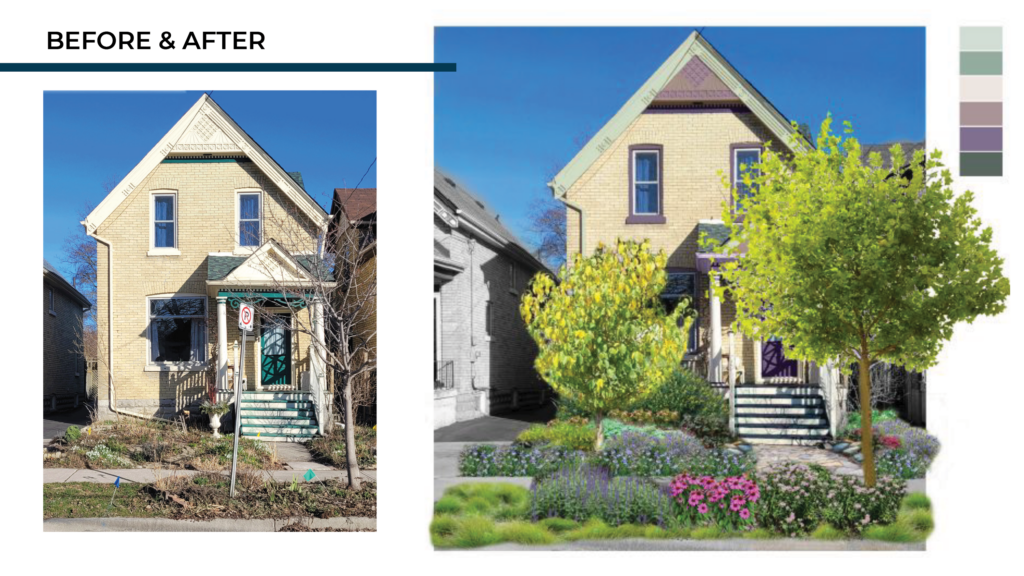
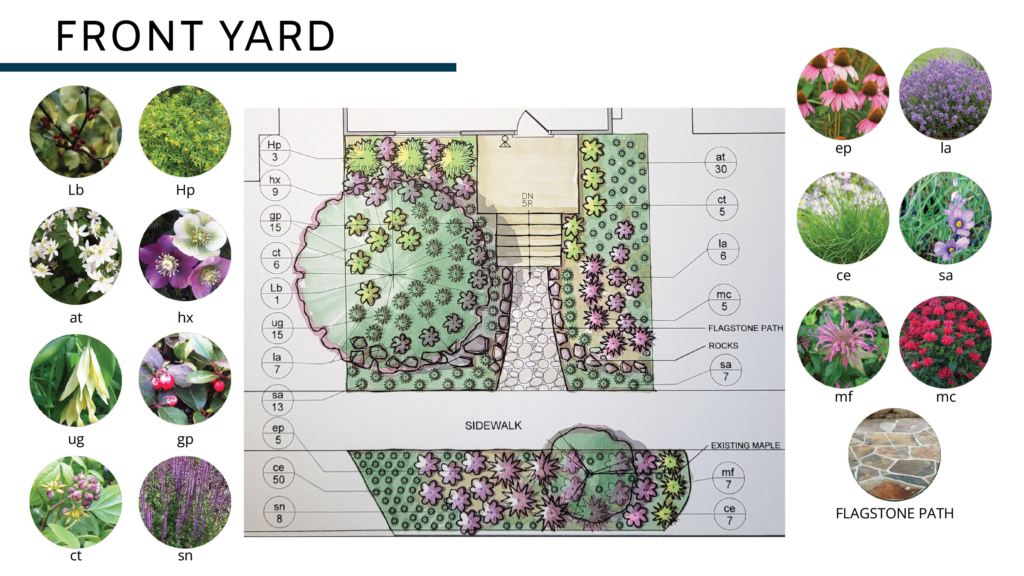
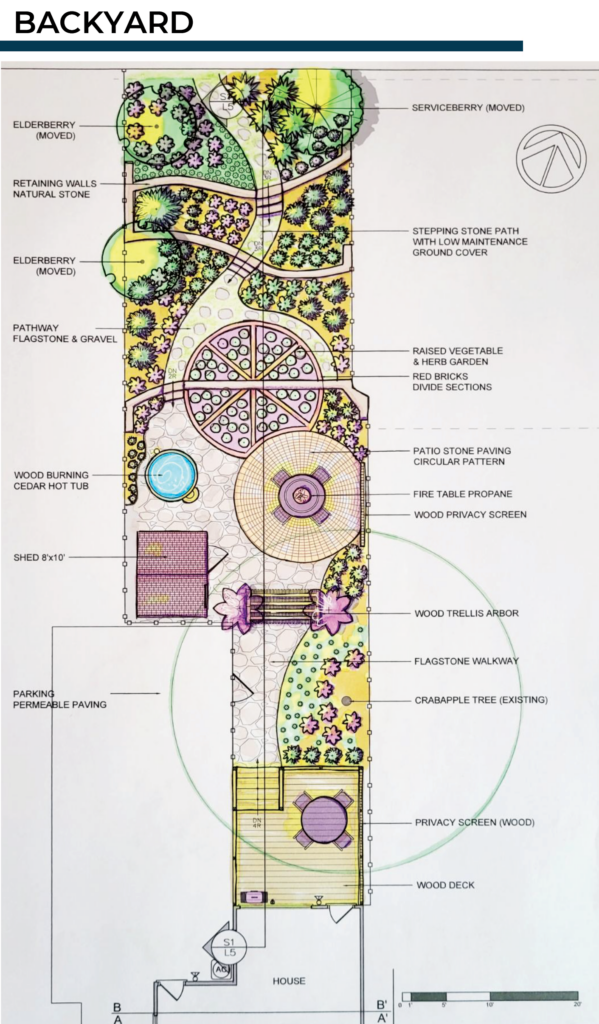
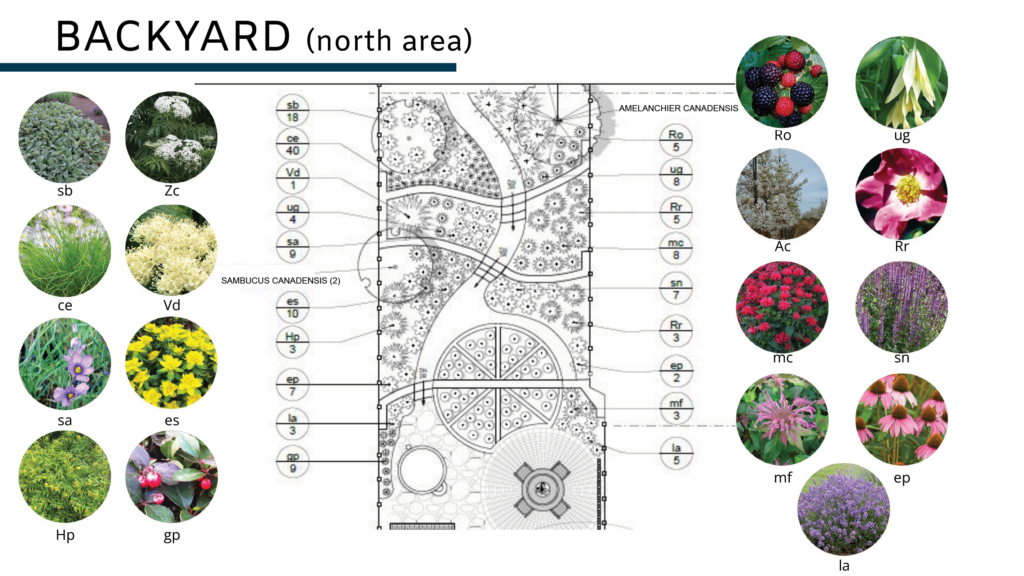
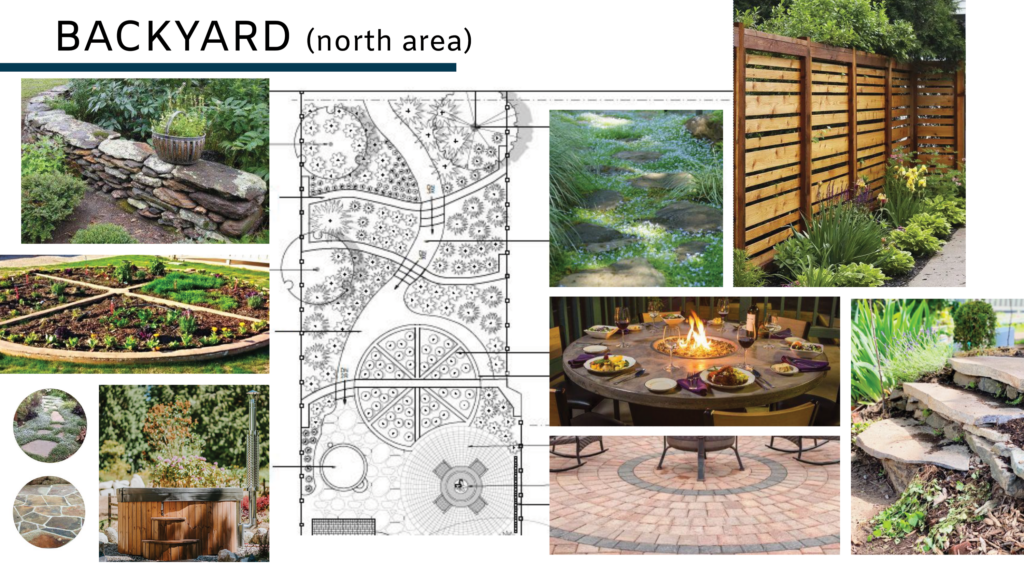
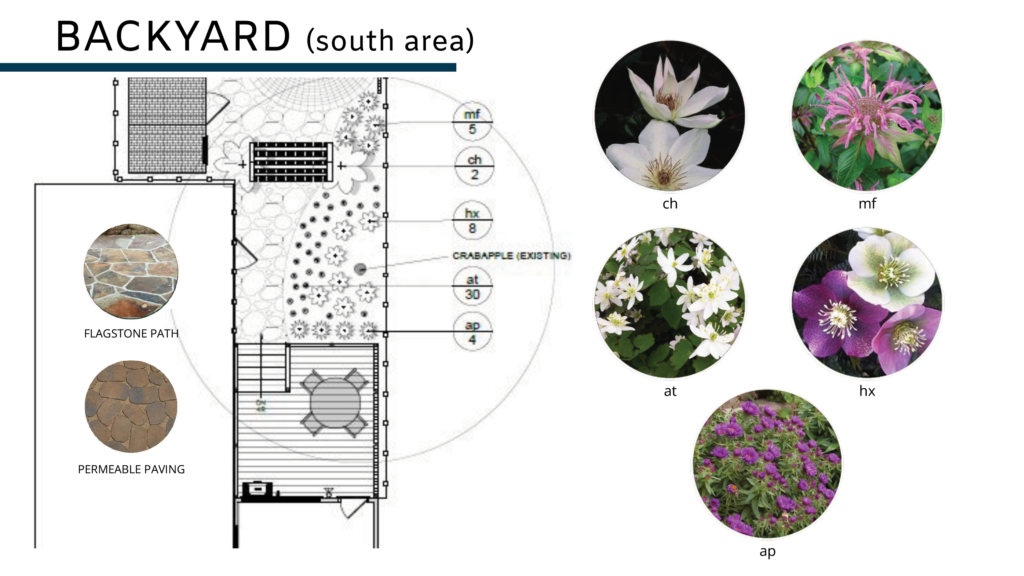

Software used: AutoCAD & Adobe Photoshop. Drawings were hand rendered.